Golf Course Grass Requirements
The grass on a golf course must meet stringent standards to ensure the game is played at its best. Primarily, it needs to be finely manicured and of an even, short length to allow for smooth rolling of the ball. The greens, where the holes are located, require the most maintenance with grass typically cut to around 3 to 5 millimeters in height. Tee areas and fairways also need to be kept short but can have slightly longer grass than the greens, usually around 10 to 15 millimeters. Roughs, which are the areas bordering the fairways, are intentionally left longer to challenge players.
Maintenance and Care
Maintaining these conditions involves regular mowing, watering, fertilizing, and aerating. Each type of grass used has specific care requirements. For instance, cool-season grasses like bentgrass and fescue thrive in temperate climates and need more frequent mowing during their peak growing season. Conversely, warm-season grasses such as bermudagrass and zoysiagrass are more tolerant of heat and drought and grow best in warmer temperatures. The choice of grass species depends largely on the local climate and the desired playing conditions.
Environmental Considerations
In recent years, there has been a growing emphasis on sustainability in golf course management. This includes using drought-resistant grass varieties to reduce water usage, implementing integrated pest management practices to minimize pesticide use, and creating wildlife habitats within the course. These efforts not only benefit the environment but also help reduce operational costs and improve the overall aesthetics and playability of the course. Golf courses that adopt sustainable practices often receive recognition and support from environmental organizations and golfing communities alike.
Player Experience and Course Design
The condition of the grass significantly impacts the player experience. Well-maintained turf ensures consistent ball roll and predictable shots, enhancing both the competitive and recreational aspects of the game. Course designers carefully consider the layout and grass types to create a balance between challenge and playability. For example, strategically placing roughs can increase difficulty without compromising the integrity of the course. Additionally, the visual appeal of lush, well-kept grass contributes to the enjoyment of the game and the overall satisfaction of golfers.
Conclusion
In summary, the grass on a golf course plays a crucial role in the gameplay, aesthetic appeal, and environmental impact of the facility. From the finely trimmed greens to the challenging roughs, each area requires meticulous care and attention to detail. By balancing the needs of players, the environment, and the unique characteristics of the course, golf course managers can create a world-class playing experience that meets the expectations of golf enthusiasts at all levels.
推薦幾種常用的草坪草,希望大家喜歡我們的內(nèi)容。
1.四季青草坪 (如同名字,很耐寒)
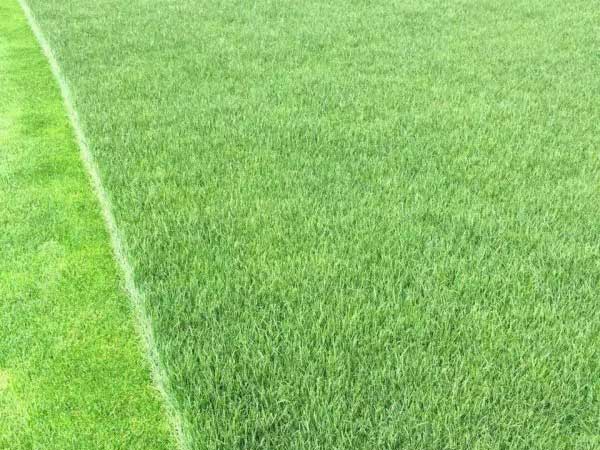
2.狗牙根種子 (耐熱的品種,出芽率高,大面積首選暖季型草坪)
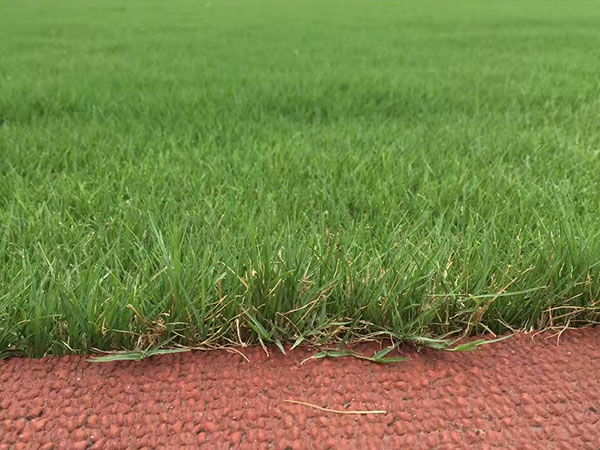
3.高羊茅種子(北方三寶之一,余者為黑麥草,早熟禾)
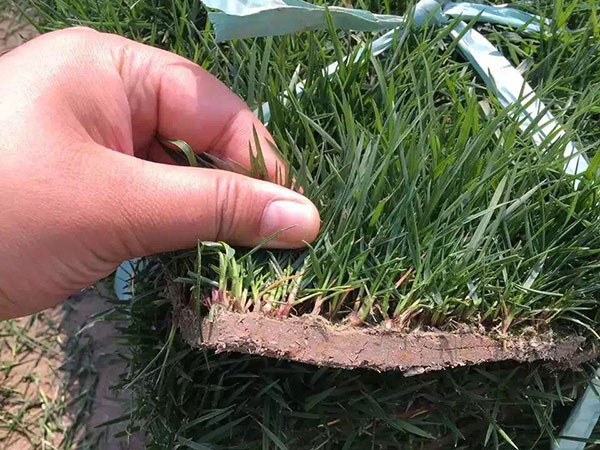
4.黑麥草種子(賣的最多的品種,表現(xiàn)最佳,性價(jià)比最佳,全球矚目的明星產(chǎn)品)
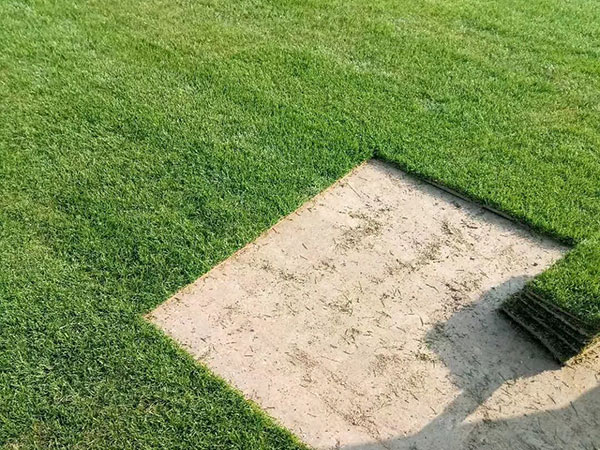
5.剪股穎種子(少見的耐熱耐寒,對(duì)溫度變化反應(yīng)不明顯,高級(jí)貨)
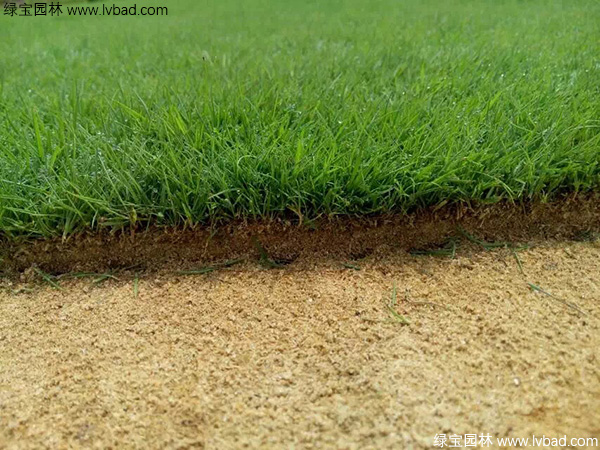
6.馬尼拉草坪 (巨耐熱型草坪,綠期長(zhǎng)久)
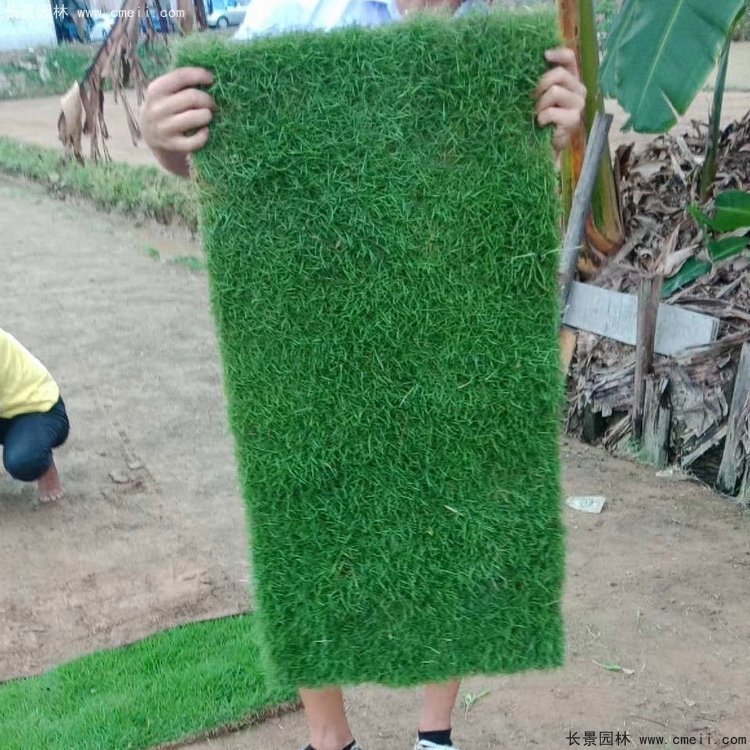
7.結(jié)縷草種子(很硬的草坪,運(yùn)動(dòng)場(chǎng)常用,推薦鋪貼成品)
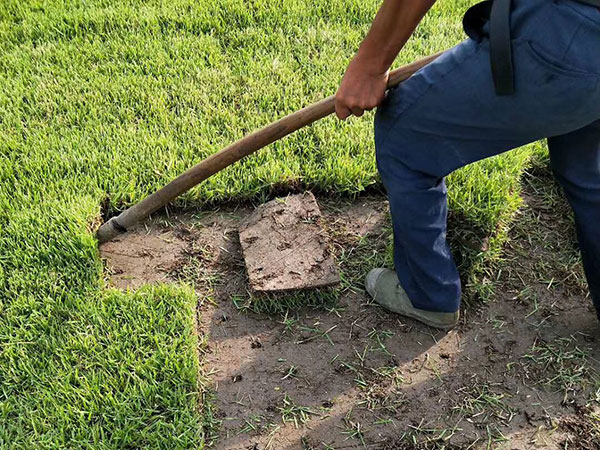
8.早熟禾種子 (你能想到的最耐寒品種)
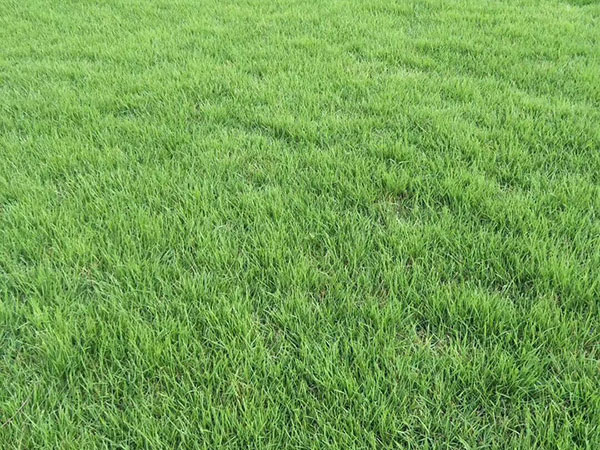
9.紫羊茅
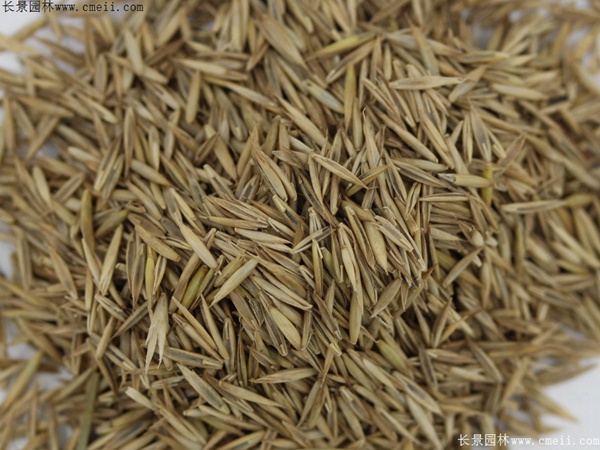
10.果嶺草 (對(duì)氣候反應(yīng)不明顯的品種,耐熱耐寒)
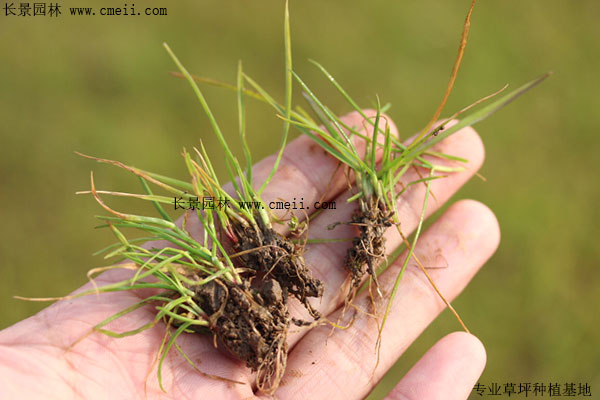
11.天堂草
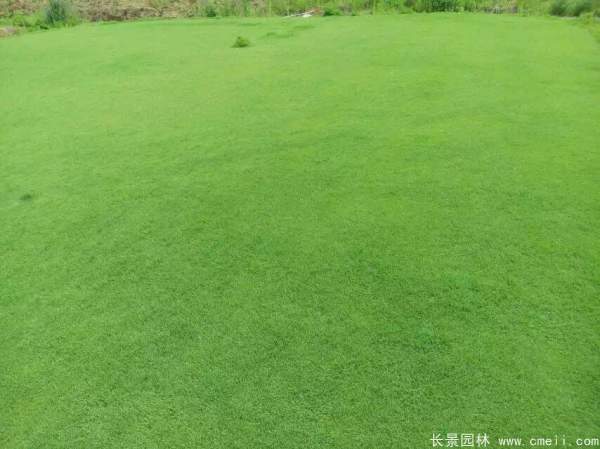
12.矮生百慕大種子(不長(zhǎng)高,好管理,耐熱草坪)
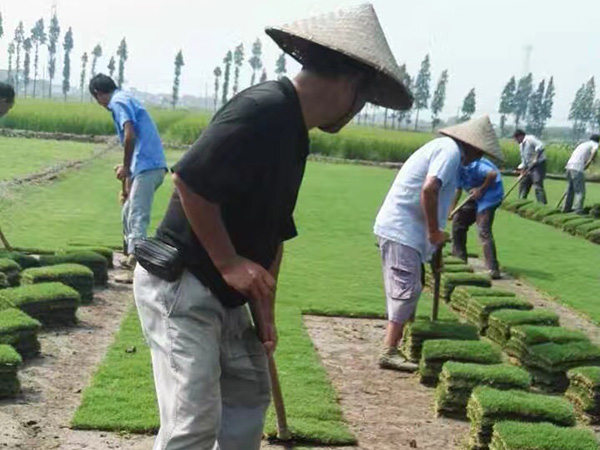
13.夏威夷草種子
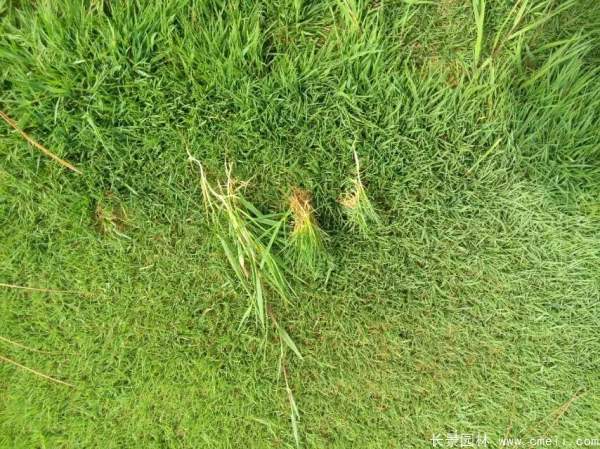
14.老鷹草種子
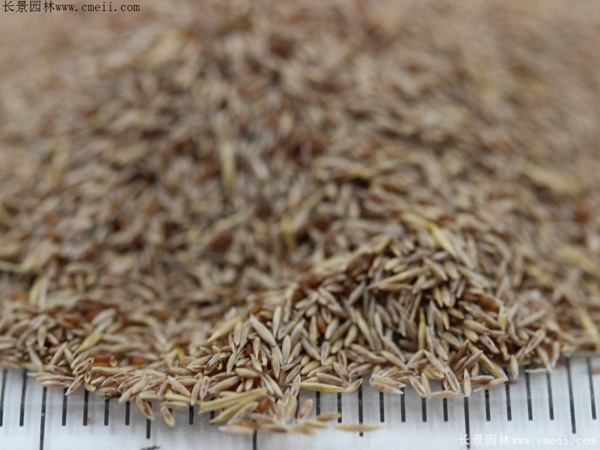
15.野牛草
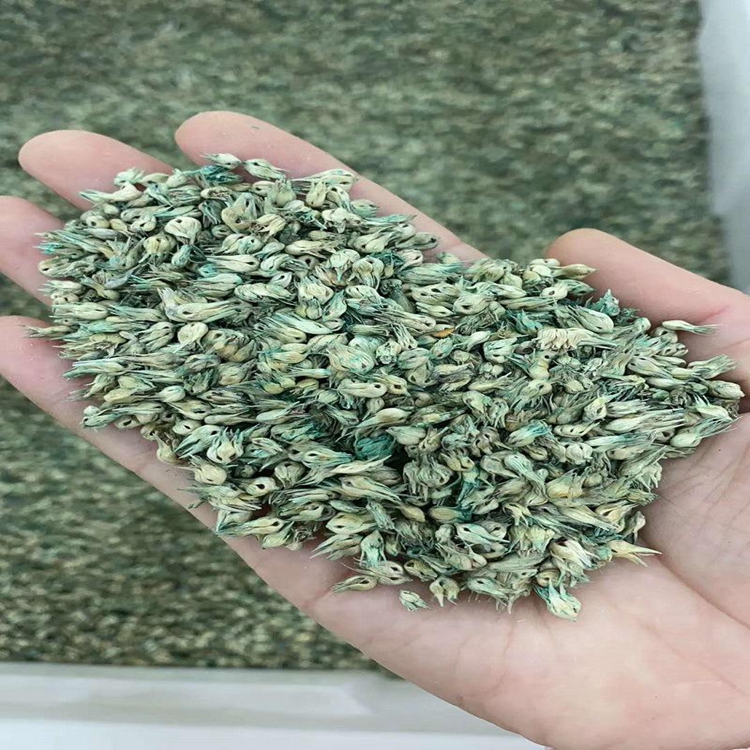
16.臺(tái)灣草 (看圖就這樣 耐熱 匍匐生長(zhǎng))
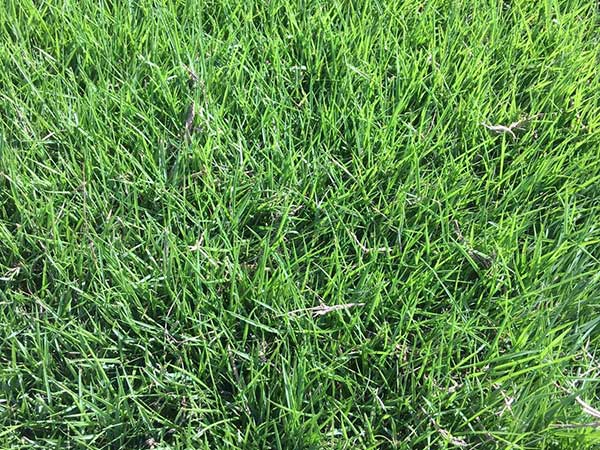

 咨詢電話:18360180999

 全國(guó)免費(fèi)客服電話 18360180999